

What a prison art exhibit taught me about creativity, faithfulness, and responding to unexpected change.
The lights were off as we installed art in the prison.
Not metaphorically. Literally.
Amy and I had arrived the prison’s visitation room to set up our fourth art exhibit for incarcerated artists we’ve been teaching for the past two years.
We used carts to carry in our display panels, stacks of matted artwork, supplies, signs, and a carefully detailed plan.
We were ready!
The room, however, was not.
We didn’t have access to the light switches. Other prison programs were being canceled right and left due to increased contraband concerns. We weren’t completely sure that our art exhibit was going to happen.
Undeterred, we began setting up in darkness so oppressive we could barely see. What else were we going to do? Sit on our hands and wait?
Eventually, I went looking for someone who could confirm the exhibit was still happening.
It was. Thank God!
But the darkness was just one of many complications.
And complications teach me something important: No plan can mess with my calling.
The Great Cookie Disappointment
The day before the prison art exhibit was scheduled, Amy and I had cheerfully stopped our art cart outside the warden’s office.
“Hi! How’s your day going?” I asked. We were eager to find out if the delicious desserts we normally buy at Costco had been approved, but we didn’t want to treat the warden like she was our very own vending machine.
Nothing says utility like being bombarded with demands the instant you’re approached, right?
After friendly banter, we got down to business. “Just checking to see if we got approval to bring our own snacks to the exhibit tomorrow?” Chocolates, fresh strawberries, fancy crackers, cheese, veggies from Costco, and melty homemade cookies danced before my eyes.
“Sorry,” said the warden. “Your outside snacks were not approved. But we found a little money in our budget, so our staff will buy cookies for you. And water. But,” she frowned, “we never received the guest list from your art class.”
My inner response was approximately:
NOOOOOOOOOOO!
Because YES. Yes, we had turned in our guest list to their office. Weeks ago!
The missing paper had dozens of approved friends and family members who were coming to see their loved ones’ artwork. Some were traveling a considerable distance.
But thankfully, I had an extra copy.
I smiled and handed it over, explaining it was a copy of what we’d turned in. I resisted any urge to freak out, accuse, or defend myself.
The warden looked surprised.
Then she cleared her afternoon to compose last-minute emails to the invited families.
A big deal, considering that art volunteer programs are generally not at the top of prison administration’s radar.
Seeing this small miracle, we chose to be grateful. We pretty much keep going forward until they say we can’t.
My philosophy is:
- if you don’t ask, the answer is no…. and
- if you don’t try, you’ll never see what can happen.
Attitude-wise, our goal is to be a blessing to the staff, as well as to the residents.
When “Plan A” Fails
So we rolled our art cart down to our morning art class.
Minutes later, the warden walked down to visit us in class, still holding the guest list. The students were already painting. She whispered to me that our reception’s 6:30 p.m. start time, which had been on the prison calendar for months, would overlap their officers’ shift change… which could cause complications.
Hmm. Yes, I could see our start time might be a genuine problem.
So I asked the warden, “Would it help if we moved our exhibit to begin at seven?”
She thought about it and said yes.
I announced the new exhibit start time to our class. And then the warden did something unexpected.
She extended our event by half an hour so the residents could spend extra time with their families.
We had been willing to adjust for her, and she found a way to adjust for us.
This didn’t happen because we insisted on the original plan. It happened through mutual consideration and a willingness to find solutions.
It was a beautiful thing.
But I miss the homemade cookies
I know, I know. This isn’t about cookies. It’s about making an evening extra-special for people who rarely experience great evenings like this.
If you tasted the cookies Amy’s husband bakes, you’d miss them, too!
I had to acknowledge my disappointment, not pretend I didn’t care about the treats we wanted to share.
I’m sad we’re not allowed to do that. I wish we could do it the way we used to.
And then, I released it.
The prison purchased store-bought cookies, along with a few liters of soda.
Amy and I were given permission to bring clear fancy plastic cups, plates, and napkins.
One of our students, I’ll call him Sal, loves to help in our art class. Helping us set up before the exhibit, Sal took great care to arrange everyone’s cookies on individual plates. He was so proud. He poured everyone’s cup of soda ahead of time and made little signs to label different kinds of sodas.
Meanwhile, Amy and I discovered something surprising.
This is easier!
No shopping. Fewer trips from the parking lot. Less work during setup and cleanup. A simpler evening.
No, I don’t believe every unwanted change is better. I hope they let us bring treats again soon.
Things can be lost, and it’s good to grieve what might have been.
But I can grieve what changed without feeling hostile toward what is.
And that makes room for creativity.
3 questions that change everything
Whenever my dearly-held plans are upended, I ask three questions:
1. What HASN’T changed?
Has the purpose totally changed, or is the purpose the same?
My calling hasn’t changed. God’s character and faithfulness haven’t changed. What else in these circumstances remains the same?
Often, details change while the deeper purpose remains the same. But if the purpose has shifted, the right questions become more important than ever.
2. What am I being asked to release?
Maybe it’s a timeline, a method, or an expectation. Like to bring our own cookies.
This isn’t easy. I can still care deeply while releasing the details, which lets me see God move, rather than focusing on my losses.
3. What is God’s Holy Spirit doing now?
This is my favorite.
In John 5:19, Jesus describes that He only does what He sees the Father already doing.
What an extraordinary moment for us!
Instead of asking, How can I get my own plan back? we can ask:
Father, what are You doing? How can I join in what You’re already doing?
Sometimes, the answer is to adjust our plan. Other times it means we persevere with grace. Always it means being flexible and humble.
Sometimes God highlights a need to set a new boundary, or to wisely walk away if the mission has drifted from its original purpose.
Sometimes God nudges us to ask the right questions or to open our eyes.
Sometimes, we learn that the very thing we thought was a threat or an interruption is actually a chance to create culture with God.
Always, God continues to disciple and teach us. Treat every person you meet with dignity and respect.
The day I didn’t follow my lesson plan
Our exhibit was a hit! At the exhibit reception, the warden was approached by one of the artists, whom I’ll call Mike.
Mike excitedly told the warden about a particular art class that began in total chaos and ended in peace. Back story: Officers had burst into the beginning of our art class, barking, telling everyone to get up and line up in the hallway.
Something was going down. Art class screeched to a halt. No one knew what would happen next.
Finally, most students were permitted to return to art class.
They sat grimly, eyes darting, shoulders tense.
Praying inwardly, I suggested everyone, even helpers, stop and close their eyes, breathe deeply, and think about something peaceful. You can read that story here.
Mike was telling the warden that in that art class, he had closed his eyes, and the peace was tangible. He felt like he wasn’t even incarcerated. Then he showed her what he’d painted, inspired by the peace that filled him.
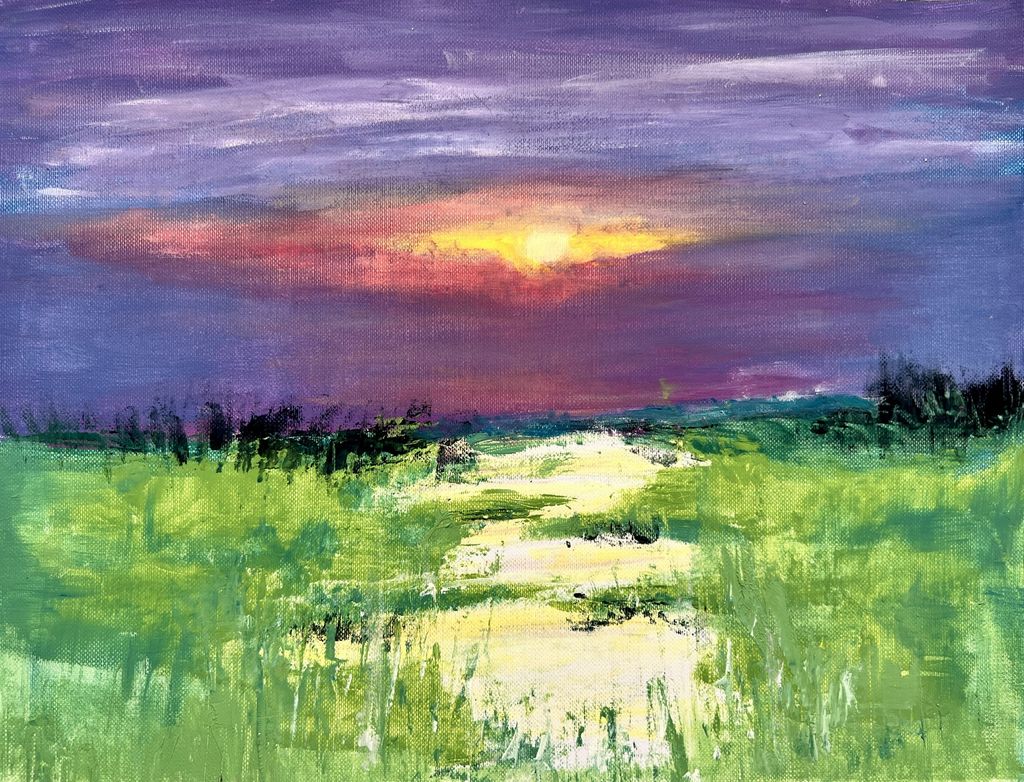
I remember seeing Mike close his eyes that day, then how he painted with joy and wonder the rest of class. He created a beautiful abstract painting.
My lesson plan was actually something different that day: my Picasso Self-Portrait lesson.
Yet during class, I encouraged Mike to keep making his own painting, rather than follow along with what I was teaching that day.
Did our presence bring peace into a chaotic prison environment through art? Yes? Check.
No need to follow Jessie’s Extremely Important Art Lesson™.
Peace is my mission at the prison. If a student is experiencing peace through art, why would I interrupt that peace to enforce my own plan?
Something different was exactly what God had for Mike that day.
God is Site-Specific
I love site-specific art installations. Each installation was built in an exact time, for an exact space, specific to that location.
Do you know God does the same thing with people’s lives?
You can experience that, too.
Let your plans flex. Your purpose isn’t to make sure everyone picks up the “correct” color when you instruct them to.
God has a bigger purpose: Creativity, community, healing, forgiveness, freedom, and beauty. Exactly where people are.
That’s the difference between a plan and a calling.
I wonder how often we miss what God is doing because we’re so busy trying to get back to what we thought was supposed to happen.
Sometimes the pivot is in us
Here’s a confession.
Before I began teaching at this particular prison, the chaplain had asked me to teach a repeating six-week curriculum, over and over again, and the prison would maintain a waiting list. Ugh.
I did not love this idea. I had been teaching art eight years in other prisons, using my very own free-wheeling spontaneous drop-in method.
At the women’s prison where I previously taught, I enjoyed the flexibility. I’d be driving my little van to class, brainstorming a lesson along the way, and figured whoever attended would just show up. No rosters, no curriculum, no waiting list.
This suited my personality to a T.
But the new place wanted a repeating curriculum? Too much structure.
The same students for several weeks? Too much expectation.
A waiting list? Too exclusive.
But the chaplain explained that a repeating class would give more residents a fair opportunity to participate.
Fine. Reluctantly I agreed to this total bummer of a plan.
The waiting list quickly became 75 people long, my art curriculum grew to an eight-week class, and I experienced the best thing ever: I learned everyone’s names.
Over twenty students regularly attended. Teaching the same people week after week, we got to know their stories, personalities, strengths, struggles, and creative interests.
One student suggested making name placards in front of each person’s table area. The students wrote and painted hand-drawn names on folded card-stock table tents, and we learned their names.
No last names, nicknames, or gang handles. Just their beautiful first names.
Eventually, I realized something humbling about my former drop-in method:
I had been elevating my own freedom over potential relationship.
I hadn’t intended to. I like teaching freely.
But the new structure is way better.
I’m grateful I agreed to the new plan.
Sometimes, the thing that needs to change is not an action or decision.
It’s us.
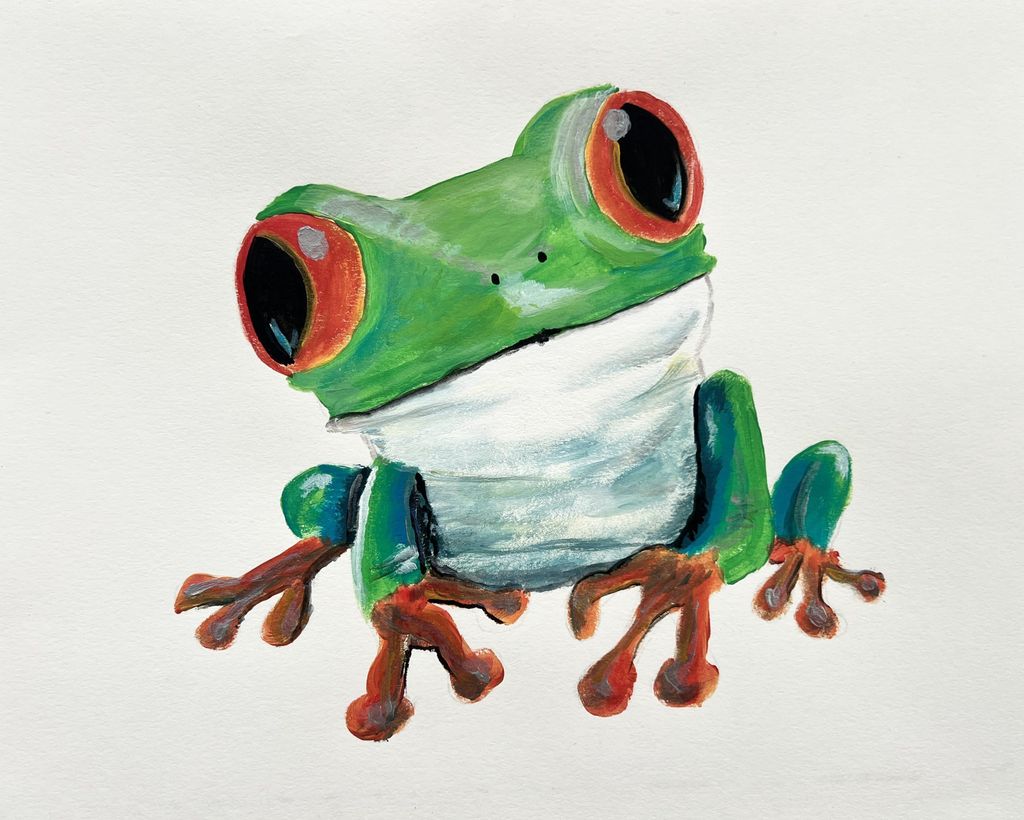
Meet our epic frog from lesson one, “Color Wheel and Frog.” (Student work.)
The men love creating their own secondary colors to make this friendly frog.
Be a friend to yourself in the pivot
Artists, hear me say:
We can be incredibly compassionate toward others, yet speak to ourselves in ways we would never dream of speaking to a friend.
Internal scolding sounds like:
Idiot. You ruined it.
I’m terrible at this.
Why can’t I get anything right?
Imagine standing beside a friend who’s struggling in art and saying, “Wow, you really blew it this time. I’m so disgusted with you.”
Of course you wouldn’t!
So why allow it in your own head?
When something unexpected happens, say instead:
What am I learning?
This isn’t what I hoped for, but what can happen that’s good?
It’s okay, I will take the next step.
This is not toxic positivity. It’s choosing compassion and moving forward.
Practice gentleness toward yourself. The fruits of God’s Spirit are not only for others. They’re also for you.
Five things I’m learning about pivoting
1. Acknowledge what has changed.
Faithfulness can involve loss, as seen in the Bible. Speak truth about disappointment. Don’t brush off people’s grief. If something was lost, feel it and acknowledge it.
2. Separate faithfulness from outcome.
Faithfulness does not require one exact way. Proverbs 16:9 reminds us that we plan our course, but the Lord directs our steps.
Sure, I prepare, communicate, make decisions, set boundaries, and respond with integrity. But I cannot control the weather or other people’s mistakes or decisions. Shoot, I make plenty of mistakes, myself. It’ll all be okay.
3. Stay curious and say YES whenever possible.
Sometimes our resistance stems from unfamiliarity. It’s good to stay open to new ideas: Could this also work to accomplish the same purpose?
Creativity begins with limitations. At prison we developed an inexpensive portable hanging system, with matted artwork suspended from ordinary paper clips and binder clips. The method is quick and simple, and allows artists to participate in the process.
See our simple, portable art hanging system here →
4. Scour the heart for cynicism, control, and rebellion.
Yes, I said AND. This is an important one.
Disappointment can sneakily turn into cynicism. Righteous anger can become a desire to control others if we’re not careful. And sometimes, my sincerity to persevere can morph into the desire to get my own way.
Psalm 139:23–24 gives us a beautiful prayer, asking God to search our hearts, reveal things in us that need attention, and lead us in His way.
Keep advocating for good, have boundaries, and disagree respectfully while never dehumanizing others.
5. Look for the Fruits of the Spirit.
The cool thing about God’s essence is that we get to carry His nature in us: Love, joy, peace, patience, kindness, goodness, faithfulness, gentleness, and self-control. See Galatians 5:22–23.
When things aren’t going well, we notice others’ stressful reactions. But what’s coming out of us?
Am I becoming more patient? More gentle? More courageous in God’s love? Am I exercising my God-given self-control when my first internal reaction is NOOOOOOO!?
The fruit of the Spirit isn’t evidence that life is going to plan. It’s evidence of God’s Spirit in us when it’s not.
What’s your next pivot?
Maybe something in life isn’t following your plan.
Perhaps it’s your art, your work, a relationship, your health, or something you thought would happen differently.
You may be facing a minor inconvenience or a life-altering change. Wherever you find yourself, I hope you’ll resolve to feel the disappointment without letting it lead.
To care deeply about your plans while holding them with open hands.
To ask God to show you what He’s doing right here, in circumstances right now.
Perhaps take a moment to consider:
What hasn’t changed?
What am I being asked to release?
What is mine to do faithfully now?
And above all:
Father, what are You doing—and how can I join You?
The plan may have changed.
But that doesn’t mean your calling has. 🌈
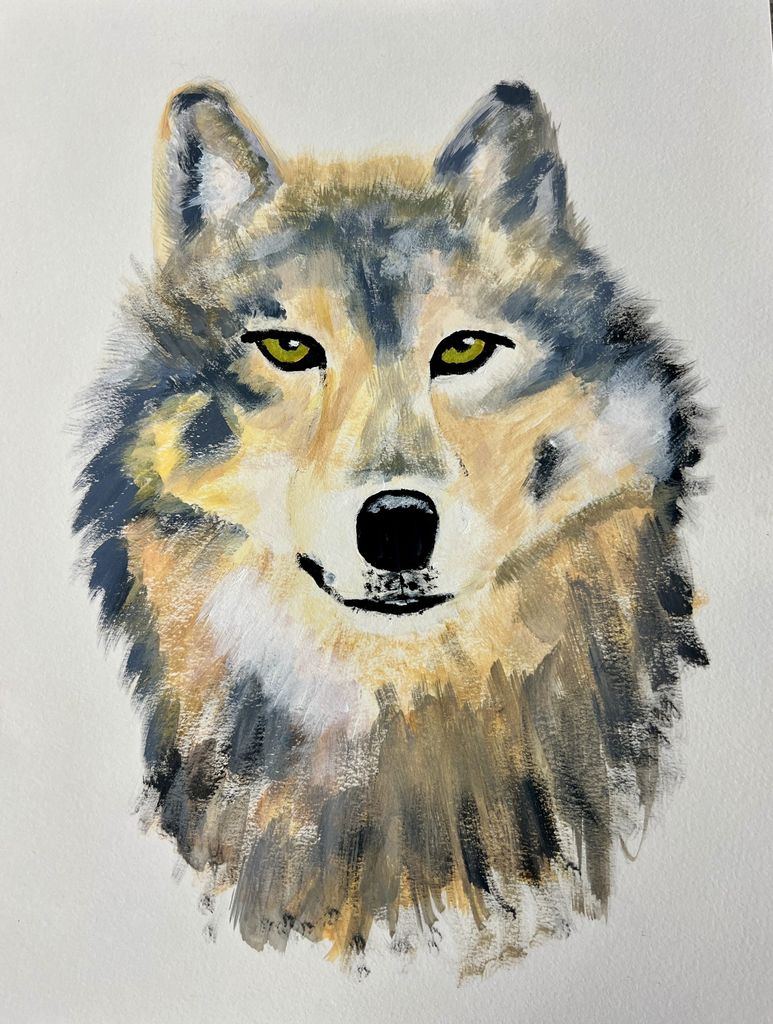
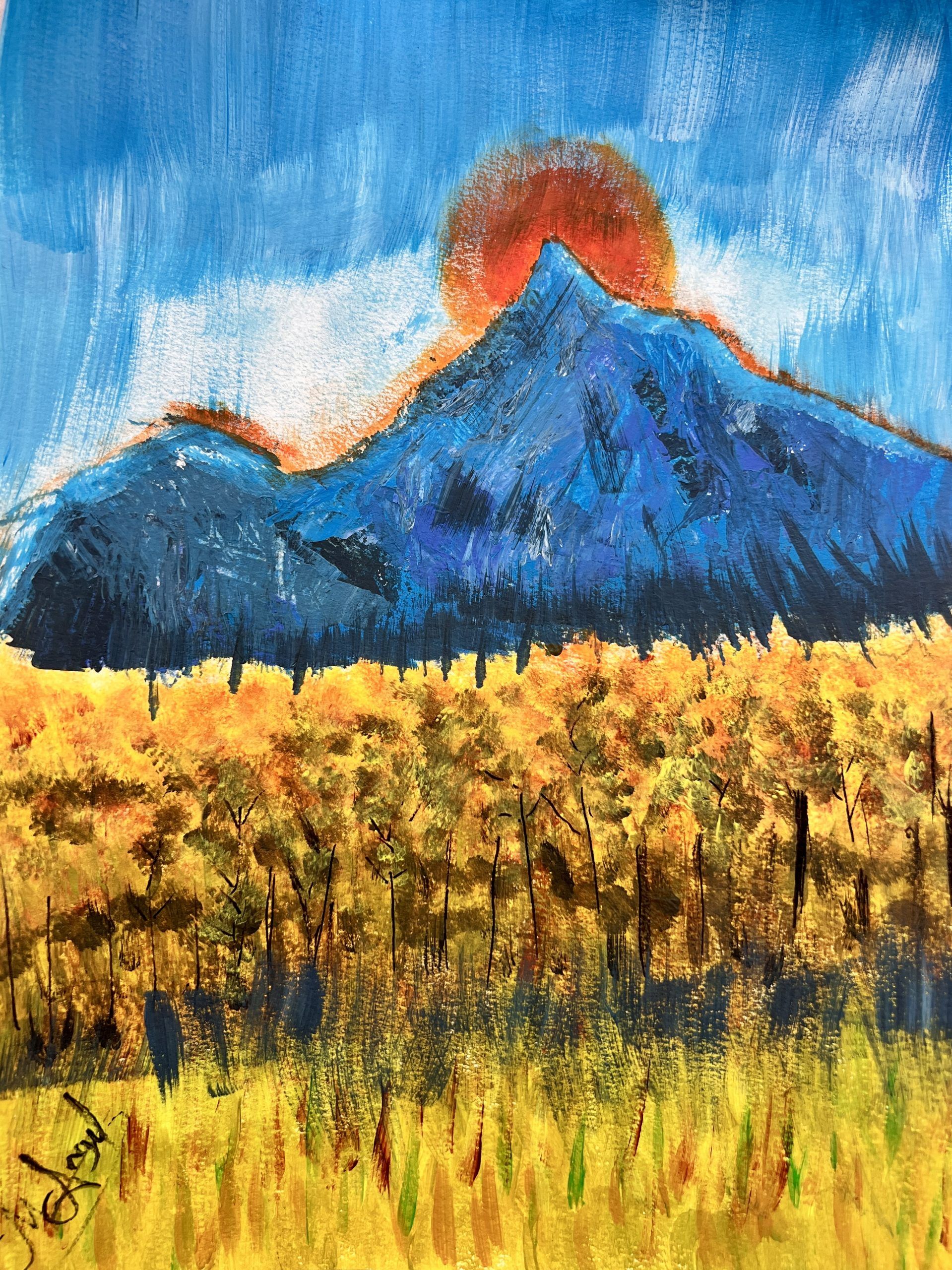
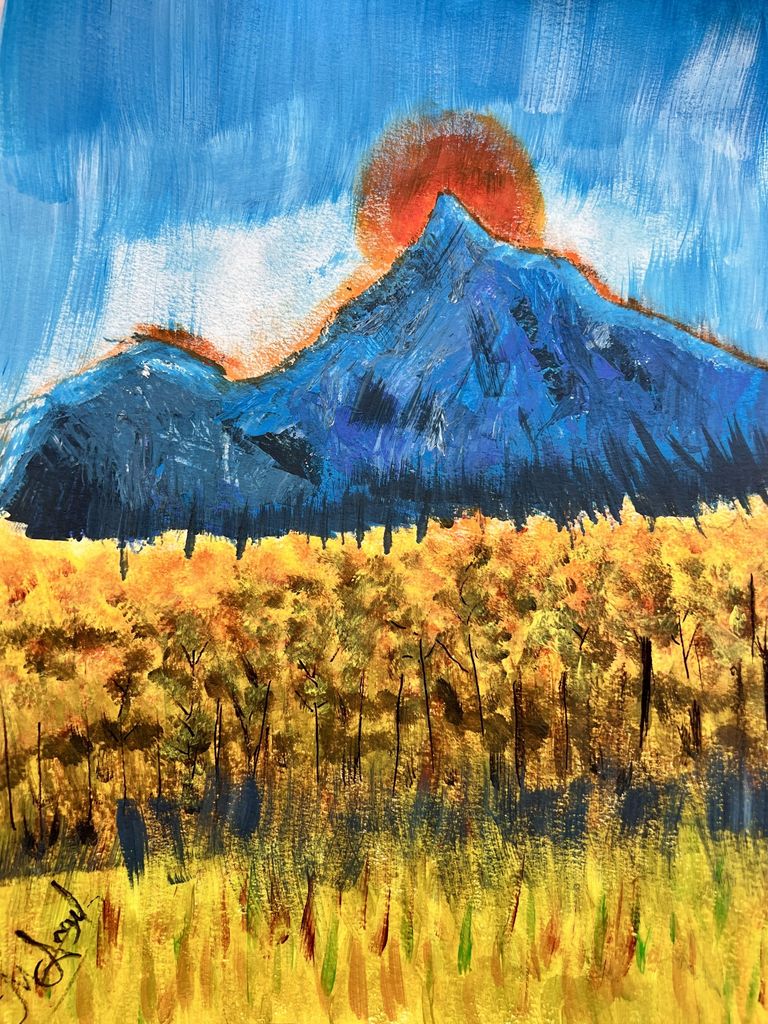
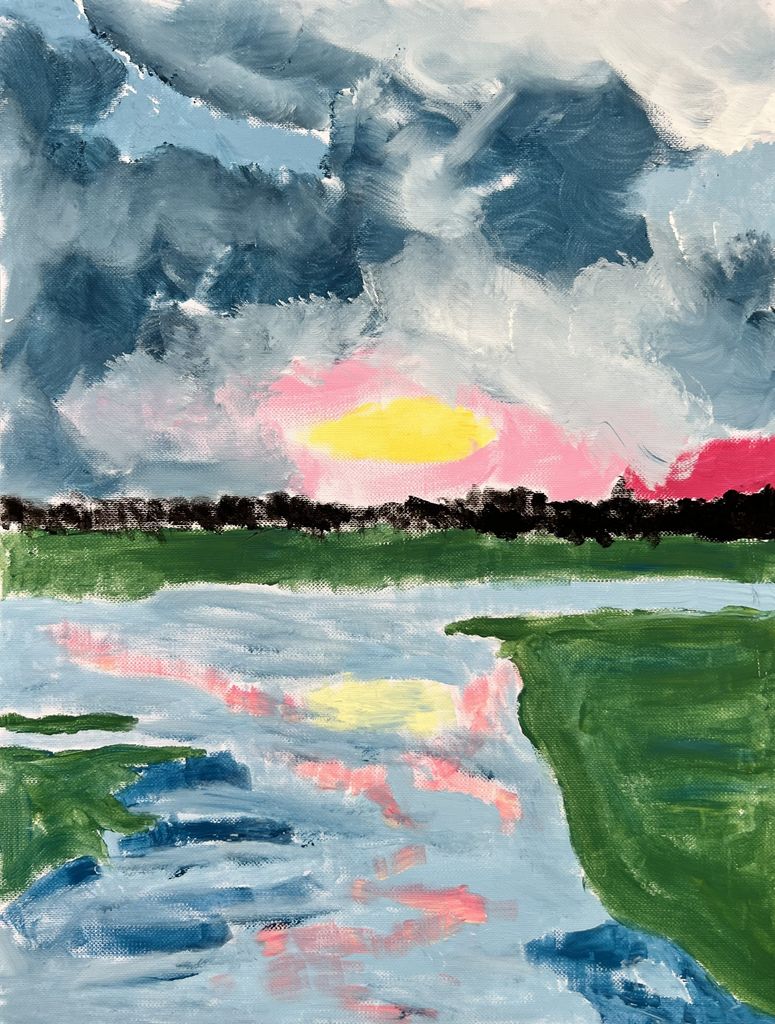
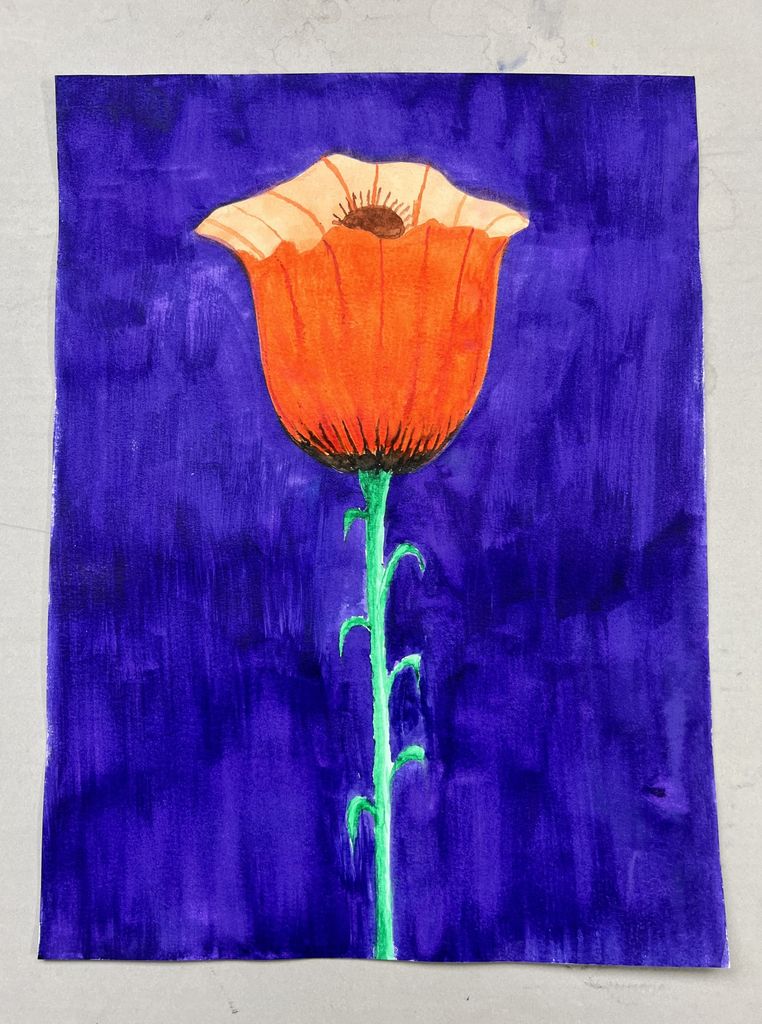
All artwork in this article was created by residents in our prison art class, in the fall of 2026.

Leave a Reply